Test Automation Essentials: A Beginner’s Guide to Tools and Frameworks

QA engineer writing Playwright automation tests in home office with dual monitors showing code and test execution

A practical guide to test automation for QA beginners. Learn which tools actually work (Playwright, Cypress, Selenium), what to automate vs. skip, how to write stable tests, and avoid common pitfalls. Includes real examples from actual projects, not theory.

The Manual Testing Skills That Make You Better at Automation

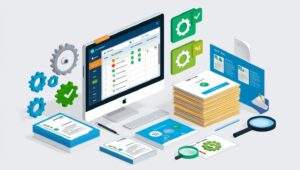
QA workspace showing manual testing documentation alongside automation code, representing the balance between manual and automated testing approaches

Manual testing isn’t just a stepping stone to automation—it’s the foundation that makes automation effective. Learn why the best automation engineers master manual testing first, what actually deserves automation, and how to build the investigative mindset that separates good QA from great QA.

The Value of Being Agile: QA Testing in Agile Environments

Agile methodologies prioritize collaboration, iterative progress, and quick feedback, significantly impacting QA roles. QA testers contribute through continuous collaboration in sprints, participating in Scrum ceremonies, and utilizing continuous testing for immediate feedback. Best practices include early involvement, pair testing, selective automation, and tracking quality metrics, enhancing product development aligned with user needs.

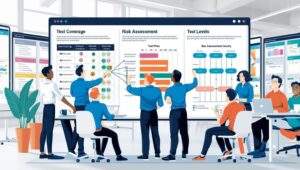
Breaking Down the QA Basics: Tools, Test Plans, and Common Practices

This post introduces essential QA tools, test plans, and practices crucial for QA professionals. It covers must-have tools like Jira and automation frameworks, illustrates the components of a test plan, and explains common practices such as smoke testing and bug triage. Mastering these basics is vital for a successful QA career.

From Bug Hunter to Tech Leader: Why QA Builds Careers That Last

QA tester progressing to tech leadership role, showing career growth from testing to team management

Quality Assurance isn’t just about finding bugs—it’s a training ground for versatile tech careers. Learn why QA professionals develop systems thinking, translation skills, and user empathy that open doors to leadership, Scrum mastery, UX design, and development roles.

Gamifying QA: How Gamification Enhances Software Testing Efficiency and Reduces Burnout

Introduction Quality assurance (QA) is the backbone of software development, ensuring functionality, reliability, and user satisfaction. However, the repetitive nature of QA tasks often leads to fatigue and burnout, negatively impacting productivity. Enter gamification, a revolutionary approach that leverages game-like elements to make QA workflows more engaging and effective. This article explores the transformative potential … Read more

API Testing with Postman (Manual and Automated)

Manual API Testing with Postman API testing is crucial to ensure that APIs are functioning correctly and as expected. Postman is one of the most popular tools for manual API testing due to its ease of use and flexibility. Here’s how you can manually test an API with Postman: Automated API Testing with Newman Once … Read more

Beyond Happy and Sad Paths: Testing for Real Users, Not Perfect Ones

Traditional happy and sad path testing only covers ideal success and basic failures. Real users don’t follow scripts—they make mistakes, encounter errors, and need systems that guide them through problems. Learn how to test for the users you actually have, not the ones you wish you had.

How to Write Effective Bug Reports (with Examples)

Updated December 2025 to reflect modern QA communication patterns, cross-team dynamics, and decision-driven bug reporting in real delivery environments. Writing effective bug reports is not just about documenting defects, but about creating reproducible, actionable communication that developers can act on without friction. Strong bug reports combine clear titles, precise reproduction steps, expected versus actual behavior, environment details, and appropriate severity and priority classification. As QA responsibilities grow, effective reporting becomes less about volume and more about judgment, helping teams balance technical risk, delivery constraints, and real-world impact while keeping fixes focused and efficient.